 Birds Drawing Birds Drawing

Related Articles
Title: What Makes Bufflehead Birds Unique Among Waterfowl in the USA
1. Introduction to Bufflehead Birds
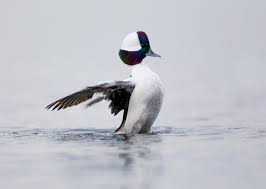
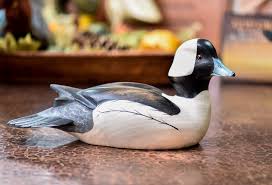
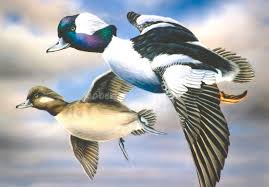
Bufflehead birds are among the smallest and most fascinating diving ducks found throughout the United States. Known for their compact size, striking plumage, and lively behavior, they captivate birdwatchers every winter season. The male Bufflehead has a glossy green and purple head with a bold white patch, while the female is distinguished by a smaller white spot behind her eye. These birds are often spotted in freshwater lakes, ponds, and coastal bays across the USA. Their name, “Bufflehead,” comes from “buffalo-head,” describing their large, rounded heads. Despite their small size, these ducks are strong fliers and excellent divers. Their beauty and adaptability make them one of the most admired and easily recognizable species in North America’s rich avian landscape.
2. bufflehead Birds Habitat and Distribution Across the USA
Bufflehead birds are primarily found in North America, especially during their winter migration across the United States. They breed mostly in forested areas near ponds and lakes of Canada and Alaska, migrating south to the USA for winter. States like California, Washington, Texas, and Florida are popular wintering grounds for them. Unlike many other ducks, Buffleheads prefer smaller water bodies with calm surfaces. They are also frequent visitors to city parks and protected wetlands, where they find ample food and safety. Their presence in both natural and urban settings shows their remarkable ability to thrive in diverse environments throughout America.
3. Feeding Habits and Behavior of Bufflehead Ducks
Bufflehead ducks exhibit fascinating feeding behavior, often diving underwater to catch their prey. Their diet consists mainly of aquatic insects, small crustaceans, snails, and occasionally plant material. They are skilled divers, capable of staying submerged for up to twenty seconds while searching for food beneath the surface. These birds also play an essential ecological role by maintaining aquatic balance and controlling insect populations, contributing to the health of wetland ecosystems nationwide.
4. Breeding, Migration, and Lifespan
The breeding season for Bufflehead ducks begins in spring when they return to northern regions like Alaska and Canada. Females choose nesting cavities, often abandoned by woodpeckers, in aspen or poplar trees near lakes. They lay around eight to ten eggs, incubating them for about a month before the ducklings hatch. Once the young are ready, they quickly leave the nest and head to the water under their mother’s care. By late fall, the Buffleheads migrate to the warmer parts of the USA, often traveling thousands of miles. Their small size allows for fast and agile flight, making them one of the quickest migratory waterfowl species. In the wild, these ducks can live up to fifteen years, displaying endurance and adaptability across various habitats.
5. Bufflehead birds Conservation and Human Interaction
In the USA, Bufflehead birds enjoy a stable population thanks to active conservation and protection measures. Human activities such as deforestation. pollution, and climate change can impact their breeding areas and food supply.
Feeding Habits
Conservation organizations encourage people to preserve old trees, which provide nesting sites, and to protect freshwater habitats from industrial waste. Birdwatchers and nature lovers in America. Often create awareness by promoting sustainable practices and supporting wildlife refuges. The continued presence of Bufflehead ducks symbolizes environmental balance and the success of protective efforts. Their beauty and grace remind people of the importance of conserving nature for future generations across the United States.
6.Bufflehead Bird: A Small but Remarkable Diver
The Bufflehead bird (Bucephala albeola) is a small, striking species of diving duck commonly found in North America. It is easily recognized by its compact size, short neck, and distinctive rounded head. The male Bufflehead is especially eye-catching, with glossy black plumage highlighted by iridescent shades of purple and green, along with a large white patch behind the eyes. Females, on the other hand, are more modest in color, featuring grayish-brown tones and a smaller white patch on the cheek. These birds prefer freshwater lakes, ponds, and coastal bays where they can easily dive to hunt for food. Buffleheads mainly feed on aquatic insects, crustaceans, and small fish, which they skillfully catch underwater by diving for short durations. Their excellent swimming ability helps them survive in cold and challenging environments.
7.Habitat, Behavior, and Conservation of Bufflehead Birds
Bufflehead birds breed mainly in Canada and Alaska, often nesting in tree cavities created by Northern Flickers or other woodpeckers. During the winter season, they migrate southward to the United States, where they inhabit coastal regions, estuaries, and inland lakes. Buffleheads are agile flyers, capable of taking off swiftly from the water surface with minimal effort. Despite their small size, they are highly resilient and adaptable to varying climates. However, they still face threats from habitat loss, pollution, and human disturbance. Conservation efforts focused on wetland preservation and forest management play a vital role in ensuring their long-term survival.

