 Birds Drawing Birds Drawing

Related Articles
Title: Purple Bird Spot the Stunning Across American Landscapes
Introduction to the Purple Bird
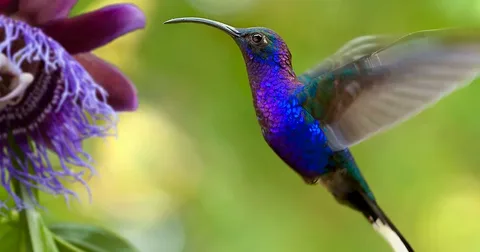
The purple bird is one of the most captivating and colorful species found across different parts of the USA. Known for its dazzling plumage and graceful flight, this bird stands out as a true natural wonder. Its vibrant feathers display hues ranging from deep violet to soft lavender, giving it a mesmerizing appearance under sunlight. Many Americans consider it a symbol of elegance, creativity, and freedom. Found mostly in parks, wetlands, and forest edges, these birds have become favorites among photographers and birdwatchers. Their melodic calls and peaceful presence make them a cherished part of the American avian world.
Physical Appearance and Characteristics
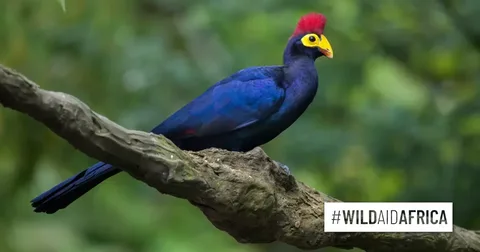
The purple bird is admired for its shimmering feathers that glow under natural light, creating a magical display of color. Its slender body, medium-sized wings, and pointed tail give it an agile and smooth flight pattern. The males are usually more vibrant, while females have softer shades for better camouflage. These birds often have a small but strong beak, allowing them to feed on berries, seeds, and insects. The unique combination of strength and delicacy in their design helps them thrive in varied American habitats.
purple bird Habitat and Distribution Across the USA
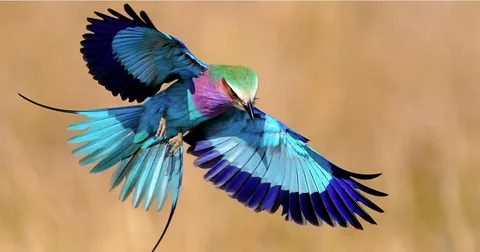
In the United States, purple birds can be found in diverse environments ranging from the southern wetlands to the northern woodlands. They adapt well to temperate climates, often building their nests in tall trees or dense shrubs. Popular locations include the Mississippi River Valley, the Great Lakes region, and some coastal areas. These regions provide ideal nesting sites and abundant food sources. During migration seasons, they can also be seen traveling through central states in large flocks. Their ability to adapt to both wild and suburban areas shows their resilience and importance in maintaining ecological balance across American ecosystems.
Behavior, Diet, and Breeding Patterns
Purple birds are highly social and intelligent creatures, known for their graceful flight formations and melodious songs. Their diet consists mainly of fruits, nectar, and small insects, which they collect with precision and speed. During breeding seasons, males perform elaborate displays to attract their mates, often spreading their wings to reveal bright purple feathers. Their nurturing behavior reflects their strong bond and commitment to family, a quality admired by many bird enthusiasts across the USA.
Cultural Significance and Conservation in the USA
The purple bird holds a special place in American art, literature, and symbolism, often representing peace, creativity, and transformation. Artists and poets have long used this bird as a muse to express beauty and freedom. However, habitat loss and pollution pose significant threats to their survival. Conservation efforts in the USA are focusing on restoring wetlands and protecting nesting areas. Organizations encourage citizens to plant native trees and avoid harmful pesticides. Through awareness and environmental responsibility, communities can ensure the continued presence of this stunning species in the American skies. The purple bird remains a living reminder of nature’s harmony and brilliance.
Sure! Here’s your text with H2 headings added properly:
The Enigmatic Beauty of the Purple Bird
The purple bird is a rare and mesmerizing creature that captures the imagination of all who see it. With shimmering feathers that gleam in hues of violet and lavender, it stands as a symbol of mystery and grace Its melodic song, both haunting and soothing, echoes through the dense foliage, creating a magical harmony with nature. Many cultures regard the purple bird as a sign of transformation and hope, representing change, renewal, and the power of dreams. Its elegance and elusive nature have inspired countless poets, artists, and storytellers throughout history, who see in it a reflection of beauty beyond the ordinary world’s reach.
Habitat, Behavior, and Symbolic Meaning
The purple bird prefers warm, humid environments where it can find abundant food and safe nesting spaces. Feeding primarily on fruits, nectar, and small insects, it plays a vital role in maintaining ecological balance within its habitat. During the mating season, the male performs graceful aerial displays, spreading its radiant wings to attract a mate. This captivating dance, paired with a soft and rhythmic call, symbolizes harmony and connection in the natural world. Spiritually, the purple bird is seen as a messenger of peace and spiritual awakening, reminding humans to embrace inner calm and wisdom. Its rare color, associated with royalty and mysticism, deepens its aura of enchantment and reverence. To encounter one in the wild is to witness the poetry of life in motion.

